
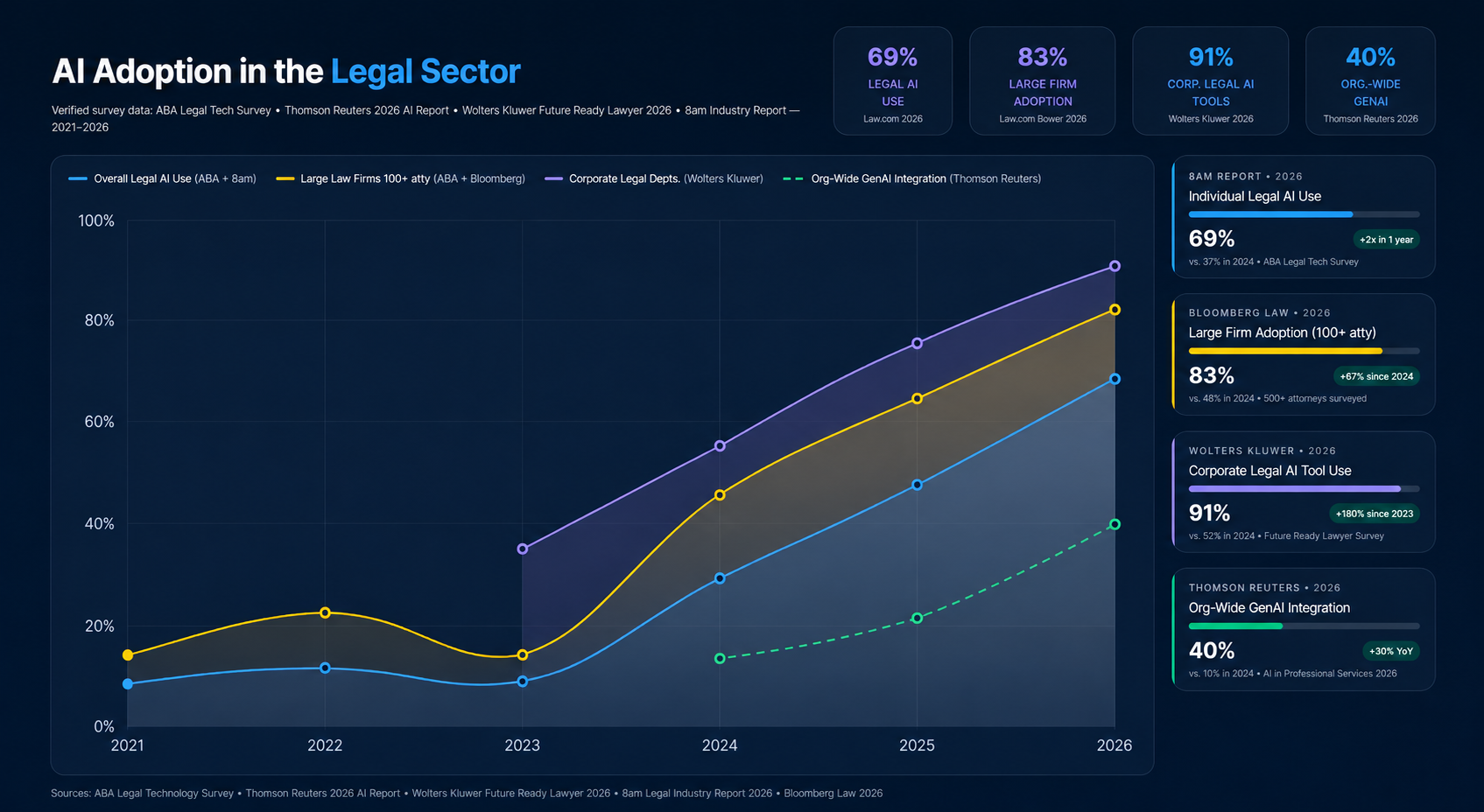
In the rapidly evolving world of technology, AI has begun to play a pivotal role in various sectors, notably in the legal field. As an attorney or legal professional, you might be wondering how AI can enhance your practice. In this blog post, we will explore the insights shared during a recent conversation with industry experts Samir Raiyani and Saskia van Ryneveld, focusing on the integration of AI in law and its implications for the future of intellectual property.
Understanding AI's Role in Law
AI technology is not just a buzzword; it's here to stay, and its capabilities are improving daily. Samir shared his recent experience presenting to a law firm about the transition of AI agents from assisting coders to actively supporting attorneys. The question arises: how will these advancements affect the traditional billable hour model?
How practice is changingThe Shift in Legal Practice
AI agents can now operate independently for extended periods, improving efficiency and productivity. Samir emphasized their ability to create self-improving loops, which means they can learn from previous tasks to enhance future performance. For instance, these agents can autonomously draft patent applications or conduct legal research, streamlining processes that once consumed significant attorney time.
While many legal professionals are excited about AI's potential, there is also apprehension. Samir noted that about 70% of the audience during his presentation expressed concerns, feeling overwhelmed by the technology. This fear is exacerbated by the media's portrayal of AI, often focusing on dystopian outcomes rather than its practical benefits.
Fear vs. Reality: The AI Debate
The fear surrounding AI in the legal sector is not new. Samir pointed out a historical perspective where prominent figures, like Jeff Hinton, raised alarms about AI's impact on jobs. However, the reality is that the legal field has continued to grow, with the number of practicing attorneys increasing despite technological advancements. This highlights the importance of viewing AI as a tool rather than a replacement.
Working with AI effectivelyLearning to Interact with AI
As legal professionals, understanding how to effectively interact with AI is crucial. Saskia shared her journey of embracing AI tools, emphasizing the importance of clear communication and instruction when working with these technologies. Here are some actionable steps to enhance your AI interactions:
The specificity of your commands can significantly impact the AI's performance. Take the time to refine your prompts to achieve the desired outcomes.
AI tools require careful oversight. As Samir noted, while AI is proficient at certain tasks, human supervision is vital, especially as tasks become more complex.
The landscape of AI is ever-changing. Stay updated on new developments and continuously refine your skills to maximize the benefits of AI in your practice.
The Human Element in AI
While AI offers remarkable capabilities, it cannot replace the nuanced understanding and decision-making skills of a human attorney. Saskia emphasized that the role of a human instructor is pivotal in the AI learning process. Those who succeed with AI tools are often those who can blend diligence with creativity, identifying opportunities for improvement.
What to do with thisIn conclusion, AI is reshaping the legal landscape, and as a legal professional, adapting to these changes is essential. The key lies in learning to work with AI, harnessing its strengths while maintaining the critical human element that defines effective legal practice.
For more insights on AI and its impact on various industries, check out our related posts on technology and innovation in law.
Interested in how AI is transforming industries beyond law? Explore more about AI in business and discover how organizations across sectors are adapting to this technological shift.
For a deeper dive into the data behind AI adoption in the legal profession, the Thomson Reuters guide to AI and law offers comprehensive research and expert analysis on how legal teams are integrating these tools today.
Watch the Full Conversation
Want to explore more about AI's role in intellectual property and how attorneys can integrate it into their practice? Watch our full conversation with Samir Raiyani and Saskia van Ryneveld.