
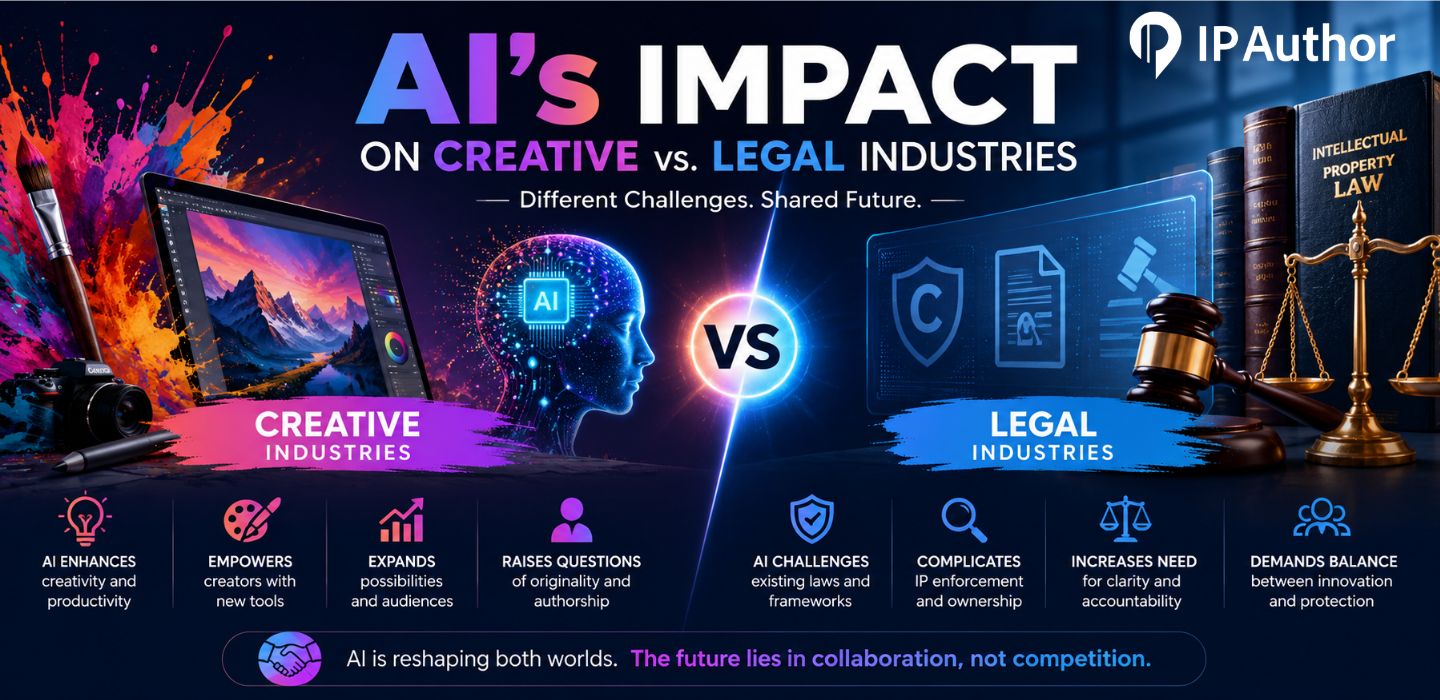
In recent news, a significant shift has occurred regarding the role of AI in the creative sector. The Oscars announced they would not recognize any work created by AI, raising questions about its impact on the industry. Conversely, in legal tech, AI adoption is welcomed, with patent offices encouraging the use of AI tools. In this blog post, we'll explore the contrasting approaches to AI in creative industries and legal tech, discussing insights from industry experts on how these developments affect professionals in both fields.
The Oscars: A Stand Against AI in Creativity
AI has made waves across various industries, but the creative sector is facing a backlash. The Academy of Motion Picture Arts and Sciences declared that works generated by AI will not be eligible for Oscars. This decision underscores a growing concern within the creative community about the implications of AI-generated content.
Why is this significant? The Academy's stance reflects a broader anxiety regarding authenticity in creative work. It poses critical questions: How do we define creativity? Can AI truly replicate the human experience?
A contrasting approachThe Legal Landscape: Embracing AI
In stark contrast, the legal industry is embracing AI. Patent offices worldwide are encouraging practitioners to leverage AI in their work, provided they take responsibility for their outputs. This approach highlights the potential benefits of AI, such as increased efficiency and innovation in legal practices. For legal professionals, this represents an opportunity to enhance their capabilities and streamline workflows.
The Open Source Revolution in Legal Tech
A recent development in legal tech involves the introduction of open-source AI platforms. One notable example is an open-source bot named Mike, which offers functionalities similar to established tools like Harvey. The excitement surrounding Mike stems from its potential to disrupt the status quo in legal technology by providing cost-effective solutions for law firms.
Open source has historically been associated with innovation, enabling developers to collaborate and improve software continuously. In legal tech, this can lead to broader access to AI tools, allowing firms to customize and optimize their operations without incurring hefty costs.
Accessibility and adaptabilityWhy Open Source Matters in AI
The allure of open-source technology lies in its accessibility and adaptability. Unlike proprietary software, which can be expensive and restrictive, open-source platforms empower users to modify the software to fit their unique needs. This democratization of technology has profound implications for law firms, as it allows them to harness AI capabilities without the financial burden typically associated with such tools.
Moreover, open-source AI can lead to improved performance over time, as more users contribute to its development, resulting in a more robust technology solution for various legal applications.
Navigating the New AI Landscape
As AI continues to evolve, professionals in both the creative and legal sectors must adapt to these changes. For creatives, this may mean advocating for the recognition of human contributions in a world increasingly influenced by AI. In contrast, legal professionals may need to embrace new technologies and explore innovative ways to integrate AI into their practices.
What to rememberIn conclusion, the divergence in how AI is perceived and utilized in creative and legal fields underscores the complexities surrounding this technology. As we move forward, professionals must navigate these changes thoughtfully, leveraging AI's potential while upholding the values that define their industries.
For legal professionals looking to put these ideas into practice, explore more on AI tools for legal professionals. And for the full context behind the Academy's position, read the Oscars' announcement about AI eligibility.
Watch the Full Conversation
Want to explore more about AI's contrasting role in creative industries and legal tech? Watch our full conversation breaking down the Oscars' AI decision and the rise of open-source legal tools.